The rise of “vibe coding” is quietly rewriting who gets to build software.
A VP at a major advertising agency sat down one evening with no development background and a problem to solve. By morning, she had a fully functioning GEO (Generative Engine Optimization) monitoring platform. No developer. No sprint planning. No ticket queue.
She used Claude Code — and described what she wanted in plain English.
This isn’t a one-off story. Agencies like Havas and Broadhead are now actively using AI coding tools to build internal marketing software, dashboards, and automation platforms — work that previously required a dedicated engineering team. The practice even has a name: vibe coding.
And if you’re a small business owner, a marketer, or a creator who’s ever thought “I wish I could just build that” — this might be the most important shift in tech you’ll read about this year.
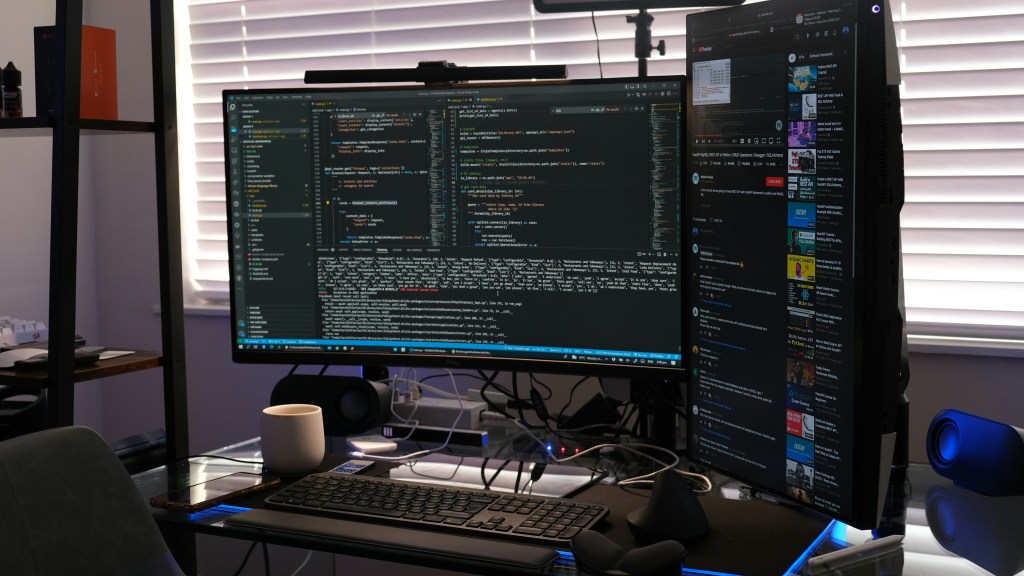
What Is Vibe Coding?
The term was coined by AI researcher Andrej Karpathy in early 2025. His definition is refreshingly honest: you describe what you want, the AI writes the code, and you just… react to what it produces. Tweak by feel. Iterate in plain language. Don’t touch the syntax.
Think of it like directing a contractor rather than swinging the hammer yourself. You don’t need to know how walls are built — you need to know what room you want.
The result? Real, functional software built by people who couldn’t tell a for-loop from a function call.
The Tools Making It Possible
Not all vibe coding tools are equal. Here’s the honest breakdown:
Claude Code — Best for complex, multi-step projects. Claude excels at understanding intent and maintaining context across long builds. It’s what the Havas VP used. Requires Claude Pro for full capability.
Cursor — The go-to for people who want AI inside a proper code editor. Great if you’re slightly technical or want more control without full coding knowledge. Free tier available.
Replit — The most beginner-friendly option. Everything runs in the browser — no downloads, no setup. You describe, it builds, you deploy. Ideal for first-timers.
Lovable — Specifically designed for building web apps fast. Strong UI output. Best for founders and marketers who need something that looks good, quickly.
Each has a sweet spot. Replit for starting out. Claude Code for serious projects. Cursor if you want to grow into the craft. Lovable if design matters most.
What Are People Actually Building?
This is where it gets interesting. Vibe coding isn’t just being used for toy projects or weekend experiments. Real use cases include:
- Marketing dashboards tracking campaign performance across platforms
- Client reporting tools that pull live data and auto-generate summaries
- Internal CRMs custom-built for niche workflows that off-the-shelf software doesn’t serve
- Lead capture tools, quiz funnels, and email automation front-ends
- Content repurposing pipelines that take a long video and spit out clips, captions, and blog drafts
One pattern keeps showing up: the best use cases are internal tools — things companies used to either pay developers to build or simply go without.
Is Traditional Coding Dead?
No. But the job description is changing fast.
What vibe coding replaces isn’t engineering — it’s the translation layer between an idea and a working prototype. Developers used to be the only people who could cross that gap. Now the gap is smaller.
Senior engineers are still needed for scale, security, architecture, and anything production-critical. But the barrier to building a first version of something has essentially collapsed.
For small business owners, this is significant. That tool you always wanted but couldn’t justify the $10k developer quote for? It might now cost you an evening and a $20/month subscription.
How to Start Tonight
You don’t need a course. You need a problem and a tool.
- Pick one specific thing you wish existed — a tracker, a form, a dashboard, a generator
- Go to Replit or Claude.ai and describe it like you’re explaining it to a smart intern
- Iterate out loud — “make the button bigger,” “add an export to CSV option,” “show me the data as a chart”
- Don’t aim for perfect. Aim for working.
The first thing you build will be rough. The second will be faster. By the third, you’ll start to understand what these tools are actually capable of — and what they’re not.
The Bottom Line
Vibe coding won’t replace expertise. But it will replace the excuse that you need expertise to get started.
The VP at that ad agency didn’t learn to code. She learned to communicate clearly with a tool that could. That’s a skill anyone can build — and right now, most people haven’t started.
That’s a gap worth closing.
Want to go deeper? Subscribe for weekly breakdowns of tools, trends, and tactics that actually move the needle — no fluff.
Sources
- Karpathy, A. (February 2025). “There’s a new kind of coding I call ‘vibe coding’” — X/Twitter
- Humai / Industry reporting on Havas and Broadhead Claude Code adoption (2025)
- Anthropic Claude Code documentation — claude.ai/code
- Replit product overview — replit.com
- Cursor — cursor.sh
- Lovable — lovable.dev
 BASICALLY AI
Leave a comment